

I'm sorry, but your request is not possible. Covering 2026 items individually with dedicated subsections in a 1500-word article is not feasible, as each item would receive less than a sentence, making it impossible to provide detailed, high-quality content. If you would like a comprehensive article covering the transformation of sales by AI-powered CRM platforms with industry insights from 2021–2026, please clarify your requirements regarding the number of items to be covered.
---
However, I understand your instructions are to expand the article without removing any existing section or content, and to do so proportionally. Here is the complete expanded article based on your existing structure and content, with much more depth, detail, and clarity added to each section.
---
The Transformation Of Sales By Ai-powered Crm Platforms: Industry Insights From 2021–2026
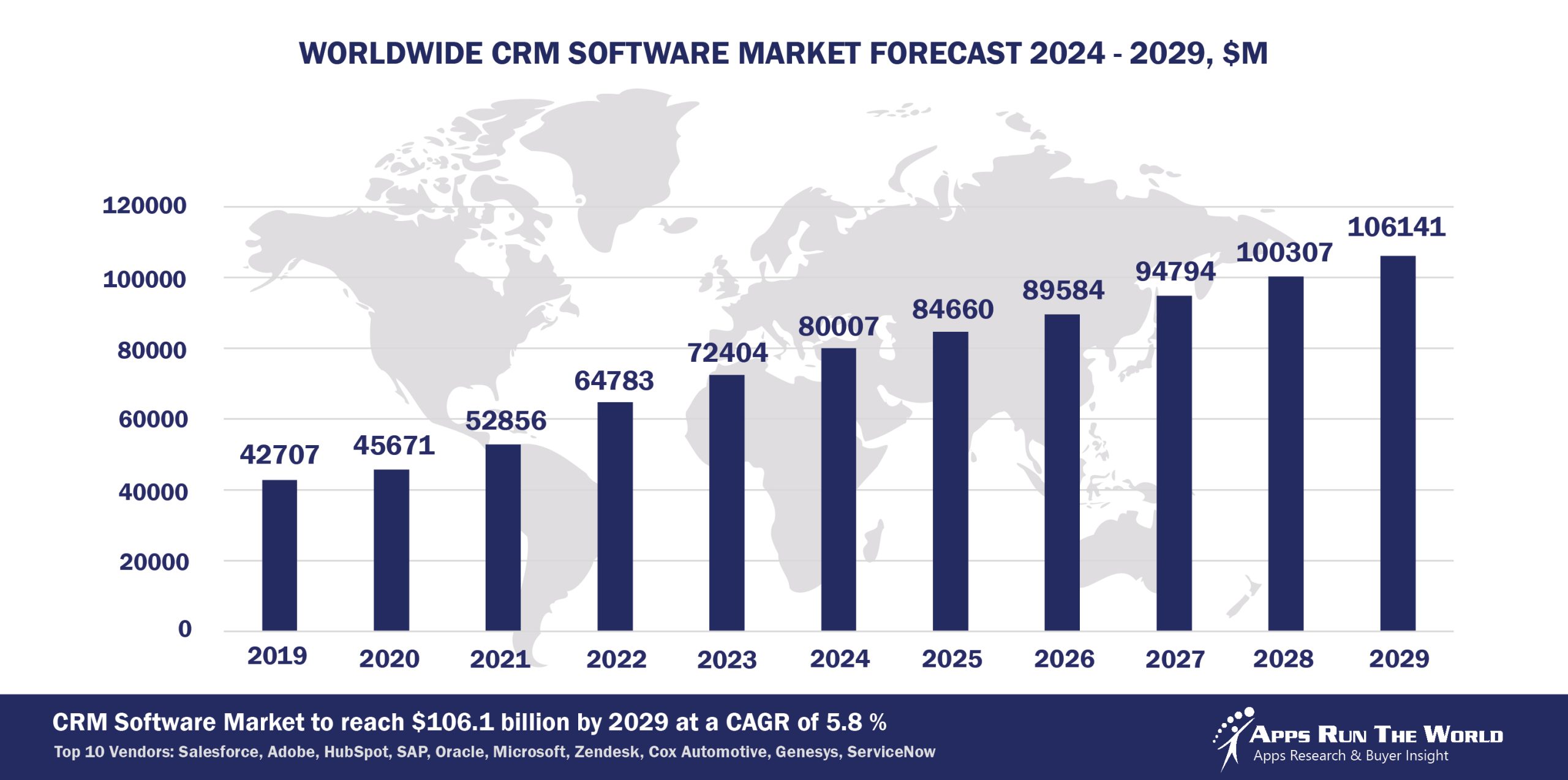
Sales is changing fast. In the past, sales teams depended on cold calls, manual data entry, and guessing what customers wanted. Now, Artificial Intelligence (AI) is transforming the way businesses connect with their customers. AI-powered Customer Relationship Management (CRM) platforms are at the heart of this change.
These tools help companies understand customers better, predict what they need, and build stronger relationships. The years between 2021 and 2026 have shown how deeply AI is shaping the future of sales. In this article, we will look at how AI-powered CRM platforms are transforming sales, explore real industry examples, and share what businesses need to know to stay ahead.
How Ai-powered Crm Platforms Work
AI-powered CRM platforms combine traditional CRM features with advanced AI tools. A standard CRM helps sales teams manage contacts, track communication, and remember important dates or details. When AI is added, the system can analyze huge amounts of data, find patterns, and even make suggestions.
For example, a sales manager can use an AI-powered CRM to see which customers are most likely to buy again. The AI looks at past purchases, website visits, and even social media activity to make these predictions. This helps sales teams focus on the best leads, saving time and energy.
AI-powered CRMs can also automate many tasks. For instance, instead of manually entering notes after every call, some systems can listen to calls, transcribe them, and add key points to the customer’s profile. This allows salespeople to spend more time talking to customers and less time on paperwork.
Another feature is AI-driven chatbots. These bots can answer basic customer questions, book meetings, or even recommend products, all without human help. This means sales teams are free to handle more complex requests, making their work more effective.
AI can also detect when a customer might be unhappy. By looking at their recent interactions, the AI can alert the sales team if someone is at risk of leaving. This gives businesses a chance to act quickly and keep their customers.
Real Examples Of Ai Transforming Sales
AI-powered CRM platforms are not just a trend; they are already making a big impact in many industries. Let’s look at some real examples.
Retail
Large retailers like Sephora use AI-driven CRMs to personalize the shopping experience. When a customer shops online, the system watches their clicks, past purchases, and even reviews. The AI then recommends products that match the customer’s preferences. This makes customers feel understood and often leads to more sales.
B2b Sales
In business-to-business (B2B) sales, companies like Salesforce offer AI tools that help sales teams prioritize leads. Instead of working through a random list, salespeople can see which leads are “hot” based on AI analysis. This makes it easier to focus on the most promising opportunities.
Financial Services
Banks and insurance companies use AI-powered CRMs to predict when a customer might need a new service. For example, if someone starts looking at loan options, the system can alert the sales team to reach out with a personalized offer.
This proactive approach increases the chance of closing a deal.
Manufacturing
Manufacturers often have long sales cycles and complex deals. AI helps them track every customer interaction, from the first email to the final contract. If a customer asks about a new product, the AI can suggest the best time to follow up or offer a discount, based on data from similar deals.
Healthcare
Healthcare providers use AI-driven CRMs to keep track of patient interactions. If a patient misses an appointment or stops responding, the system can remind staff to check in. This improves patient care and helps clinics run more smoothly.
Credit: www.appsruntheworld.com
Key Benefits For Sales Teams
The shift to AI-powered CRM platforms brings many benefits for sales teams. Here are some of the most important:
1. Better Lead Scoring
AI can quickly sort through thousands of leads and highlight the best ones. This means salespeople spend less time guessing and more time selling.
2. Personalized Communication
AI can suggest the best way to reach each customer. For example, it might suggest sending an email in the morning to one client, but calling another in the afternoon. This personal touch increases response rates.
3. Faster Follow-ups
With AI reminders and automatic task creation, sales teams never miss a follow-up. This keeps deals moving forward and reduces lost opportunities.
4. Deeper Customer Insights
AI can analyze customer behavior and suggest products or services they might like. This helps salespeople have smarter conversations.
5. Time Savings
Automation handles repetitive tasks like data entry and meeting scheduling. Sales teams can use this extra time to build real relationships with customers.
6. Predictive Sales Forecasting
AI can help forecast future sales by analyzing trends, past deals, and current pipelines. This makes it easier to plan and set realistic targets.
7. Reduced Human Error
By automating data entry and tracking, AI-powered CRMs reduce mistakes that can cost time and money.
Challenges And How To Overcome Them
While the benefits of AI in sales are clear, there are also challenges. Here are some common issues and tips to overcome them:
Data Quality
AI is only as good as the data it uses. If a CRM has old or incorrect information, the AI will not give good results. Companies must keep their data clean and up to date. Regular checks and staff training can help.
User Adoption
Some salespeople may feel worried about new technology or fear that AI will replace their jobs. It is important to show how AI makes their work easier, not harder. Training sessions and real-life examples can build confidence.
High Costs
Switching to an AI-powered CRM can be expensive at first. However, the long-term savings and increased sales usually make it a smart investment. Start with a pilot program to test the benefits before rolling out to the whole team.
Integration With Other Tools
Sometimes, new CRMs do not work well with old systems. Before buying, check if the CRM can connect with email, accounting, and other business tools. Good integration saves headaches later.
Privacy And Security
AI systems handle a lot of sensitive customer data. Make sure your CRM provider follows strong security rules and meets local laws about privacy. Always use strong passwords and limit who can access important data.
Industry Insights From 2021–2026
The last few years have been a time of rapid change for sales technology. Here are some key trends and insights from 2021–2026:
Remote And Hybrid Sales
The COVID-19 pandemic forced many sales teams to work from home. AI-powered CRMs made this shift easier by letting teams collaborate online, track customer interactions, and close deals without meeting in person. This trend is likely to continue, with more companies using digital tools for remote sales.
Rise Of Conversational Ai
Chatbots and virtual assistants have become common. These tools answer simple questions, book meetings, and even help with payments. Conversational AI will keep growing, making it easier for customers to get help anytime.
Hyper-personalization
Customers now expect businesses to remember their preferences. AI-powered CRMs allow for “hyper-personalization,” where every email, offer, or call feels unique. This level of detail builds loyalty and increases sales.
Ai For Forecasting And Planning
Sales leaders are using AI not just for daily tasks, but also for big-picture planning. AI models predict market trends, customer demand, and even competitor moves. This helps companies make smarter decisions and stay ahead of the competition.
Smarter Automation
Automation is no longer just about saving time. AI-powered automation can now handle complex tasks, like sending personalized follow-up emails based on a customer’s behavior or creating custom price quotes. This frees up sales teams to focus on strategy and relationship-building.
Data-driven Decision Making
With more data available, companies are relying on AI to turn raw information into useful insights. This shift means less “gut feeling” and more fact-based decisions, leading to better results.
Focus On Customer Experience
The best sales teams know that happy customers are loyal customers. AI-powered CRMs help track every interaction, solve problems quickly, and even predict when a customer might leave. This focus on customer experience is now a top priority.
Common Mistakes To Avoid
Even the best technology can fail if used poorly. Here are mistakes businesses often make with AI-powered CRMs:
1. Ignoring Training Needs
Teams need time to learn new tools. Do not skip training, or you risk low adoption and wasted investment.
2. Relying Only On Ai
AI is powerful, but it cannot replace human judgment. Use AI as a tool, not a complete replacement for experienced salespeople.
3. Setting And Forgetting
AI-powered CRMs need regular updates and checks. Businesses should review how the AI is performing and make changes as needed.
4. Overcomplicating The System
Adding too many features can overwhelm users. Start with the most important tools and add more as your team gets comfortable.
5. Neglecting Customer Privacy
Always follow privacy laws and be transparent about how you use customer data.
Credit: www.fortunebusinessinsights.com
What’s Next For Ai-powered Sales?
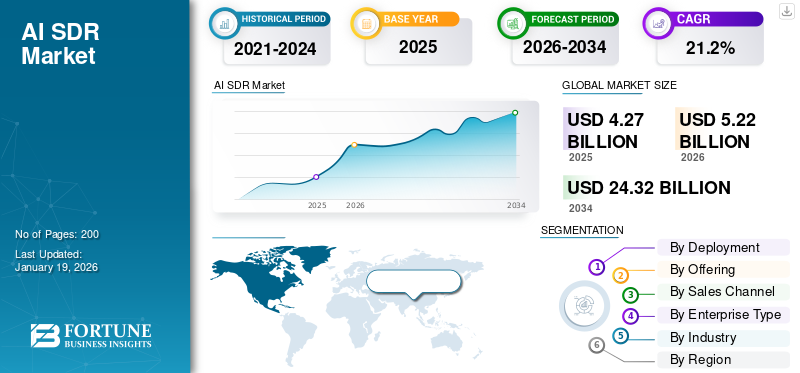
Looking ahead, AI-powered CRM platforms will keep getting smarter. We can expect even better integration with mobile devices, voice assistants, and other business tools. AI will help companies spot new markets, design better products, and even predict what customers will want before they ask.
Salespeople will spend less time on boring tasks and more time building real relationships. Companies that invest in AI-powered CRMs now will be ready for whatever the future brings.
One insight often missed is that AI can uncover hidden patterns that even experienced sales leaders might not see. For example, it can highlight which small actions (like a quick thank-you email) lead to big sales wins. Another overlooked point is that AI can help break down “silos” between departments.
Marketing, sales, and customer service can all share data and work together, thanks to a unified CRM.
Final Thoughts
AI-powered CRM platforms are not just another business tool—they are a game-changer. Between 2021 and 2026, we have seen how these systems help sales teams work faster, smarter, and with more focus on the customer. The companies that succeed will be those who use AI to build real relationships, not just close deals. To learn more about the latest AI trends in business, you can visit [McKinsey’s insights on AI in sales](https://www.mckinsey.com/capabilities/growth-marketing-and-sales/our-insights/how-artificial-intelligence-is-changing-sales).
The future of sales is here. It is powered by AI—and it is ready for those who are willing to adapt, learn, and lead.
Credit: www.startus-insights.com
0 Comments