
Are you confused about whether a VPS or a VPN is the right choice for your needs? You’re not alone.
Both tools sound similar but serve very different purposes. Choosing the wrong one can slow you down, risk your security, or waste your money. You’ll discover the key differences between VPS and VPN, and find out which one truly fits your goals.
Keep reading to make a smart, confident decision that works best for you.
Vps Vs Vpn Basics
Understanding the basics of VPS and VPN helps in choosing the right tool for your needs. Both serve different purposes but often get mixed up. This section explains what each one is and their main uses.
What Is A Vps?
A VPS, or Virtual Private Server, is a virtual machine you rent from a hosting provider. It acts like a dedicated server but shares physical hardware with others. You get control over the server’s settings and software. Many use VPS for websites, apps, or running custom programs.
What Is A Vpn?
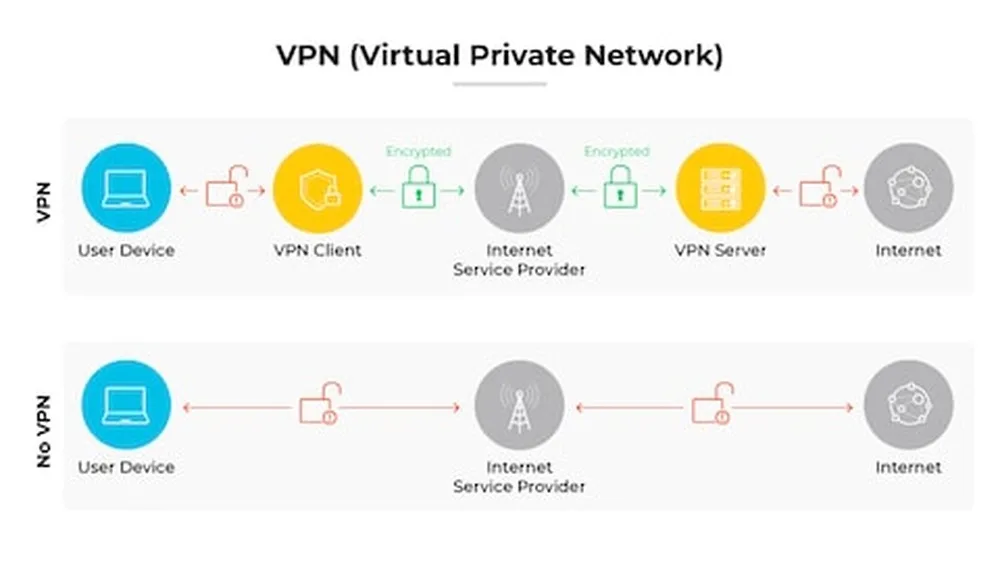
A VPN, or Virtual Private Network, creates a secure connection over the internet. It hides your real IP address and encrypts your data. People use VPNs to protect privacy and access blocked websites. It works by routing your traffic through a remote server.
Primary Uses Compared
VPS mainly hosts websites, apps, and services online. It offers space and power for running digital projects. VPN focuses on privacy, security, and bypassing restrictions. It helps keep your internet activity safe from spying. Both can be useful but serve clear, different purposes.
Performance And Speed
Performance and speed are key factors when choosing between VPS and VPN services. Both affect how fast and smoothly your internet or server tasks run. Understanding these aspects helps you pick the best option for your needs.
Connection Speeds
VPS usually offers faster and more stable connection speeds. It uses dedicated server resources, which means less traffic and better bandwidth. VPN speeds depend on the server load and encryption. Encryption can slow down your connection. VPN speed also varies by location and number of users.
Server Resources
A VPS provides specific resources like CPU, RAM, and storage just for you. This exclusive access improves performance for websites, apps, or tasks. VPN servers share resources among many users. Shared resources can reduce speed if many people use the server at once.
Latency Factors
Latency is the delay before data transfers begin. VPS servers often have low latency because they are closer to your target audience or data center. VPN latency depends on the distance to the VPN server and encryption overhead. Longer distances and stronger encryption increase latency and slow response times.
Security And Privacy
Security and privacy are key concerns when choosing between a VPS and a VPN. Both offer ways to protect data and online activities. Understanding their differences helps you pick the right option for your needs.
Data Encryption
A VPN encrypts all data between your device and the internet. This stops hackers from seeing your information. A VPS does not automatically encrypt data. You must set up encryption yourself. VPN encryption is usually strong and built-in.
Anonymity Levels
A VPN hides your real IP address, making you anonymous online. It masks your location and browsing activity. A VPS gives you a unique IP but does not hide your identity. Your actions can still be tracked if not careful. VPNs offer higher anonymity than VPS.
Potential Vulnerabilities
A VPS can be vulnerable if poorly configured or maintained. Hackers can exploit open ports or weak passwords. VPNs rely on trusted providers to secure their servers. Both can have risks, but VPNs have fewer attack points by design.

Credit: nordlayer.com
Cost And Accessibility
Cost and accessibility play a big role when choosing between a VPS and a VPN. Both services offer different benefits and pricing styles. Understanding these differences helps you pick the right option for your needs. This section breaks down their costs and how easy they are to access.
Pricing Models
VPS pricing depends on resources like CPU, RAM, and storage. You pay more for better performance. Plans range from low-cost shared servers to expensive dedicated ones. VPNs usually charge a monthly or yearly fee. Most offer unlimited bandwidth for a fixed price. VPN pricing is often simpler and cheaper than VPS.
Ease Of Setup
Setting up a VPS needs technical knowledge. You must install software and manage updates. Some providers offer one-click installs, but it still needs basics skills. VPNs are easier to start. Download an app, install it, and connect. No deep tech skills required, making VPNs more accessible.
User Friendliness
VPS requires ongoing management and troubleshooting. It suits users who want control over servers. VPNs focus on user comfort. They have simple interfaces and fast connection options. VPNs fit users who want quick privacy without hassle. VPS suits those needing customization and power.
Use Cases And Applications
VPS and VPN serve different purposes but both play important roles online. Understanding their use cases helps choose the right tool for each task. Businesses, personal users, and streamers all benefit from either VPS or VPN based on their needs. Let’s explore where each shines the most.
Business Needs
Businesses often use VPS for hosting websites and apps. It offers control and strong security for data. VPS allows companies to run software without sharing resources.
VPNs help businesses secure internet connections. Employees can safely access company data from anywhere. VPNs protect sensitive information from hackers and spies.
Personal Use
Personal users choose VPNs to protect privacy online. It hides IP addresses and encrypts internet traffic. VPNs prevent tracking by websites and advertisers.
VPS is less common for personal use but useful for tech-savvy users. It can host private servers or websites. VPS gives more power but requires more knowledge.
Streaming And Gaming
VPNs let users access content blocked in their country. This is useful for streaming movies and shows. VPNs also reduce the risk of bandwidth throttling by ISPs.
Gamers benefit from VPS by hosting game servers with low lag. VPS offers better control over server settings. It improves multiplayer gaming experience for friends or communities.
Credit: surfshark.com
Pros And Cons Summary
Choosing between a VPS and a VPN can be tricky. Both offer unique benefits and have clear limits. This summary breaks down the main pros and cons of each. It helps you see which option fits your needs best.
Advantages Of Vps
A VPS gives you more control over your server. You can install software and manage settings freely. It provides dedicated resources, which means better performance. VPS is great for hosting websites or running apps. It offers good security because you don’t share the server fully. You get a fixed IP address that stays the same.
Advantages Of Vpn
A VPN protects your internet privacy by hiding your IP address. It encrypts your online data to keep it safe. VPNs allow access to restricted websites and content. They work easily on many devices without complex setup. VPNs help avoid tracking by websites and hackers. Most VPN services are affordable and simple to use.
Limitations Of Each
A VPS needs technical skills to manage and maintain. It does not hide your internet traffic or encrypt data. VPS hosting costs more than a VPN subscription. VPNs can slow down your internet speed because of encryption. They do not provide server space or hosting services. VPNs rely on third-party servers, which may affect privacy.

Credit: www.le-vpn.com
Frequently Asked Questions
What Is The Main Difference Between Vps And Vpn?
A VPS is a virtual server for hosting websites or applications. A VPN creates a secure internet connection for privacy and security. VPS focuses on performance and control, while VPN focuses on online anonymity and data protection.
Can Vps Replace Vpn For Online Privacy?
No, VPS cannot replace VPN for privacy. VPS provides server resources but does not encrypt internet traffic. VPN encrypts data and masks IP addresses, ensuring secure and private browsing.
Which Is Better For Remote Work, Vps Or Vpn?
VPN is better for remote work security. It protects data during transmission. VPS offers hosting services but does not secure user connections like a VPN does.
Do Vps And Vpn Have Different Costs?
Yes, VPS usually costs more due to server resources. VPNs are typically cheaper and subscription-based. Costs vary based on features, performance, and usage needs.
Conclusion
Choosing between VPS and VPN depends on your needs and goals. VPS offers control and power for hosting websites or apps. VPN protects your online privacy and hides your internet activity. They serve different purposes and are not direct substitutes.
Think about what you want: security or server space. Both tools can work well together for better results. Understanding their uses helps you make the right choice. Keep your priorities clear and pick what fits best. Simple decisions lead to better online experiences.
0 Comments