
Are you curious about how AI systems solve complex problems? Understanding the difference between single agent and multi agent setups can change the way you think about AI’s power and potential.
Whether you’re building your own AI project or just want to grasp the basics, knowing which approach fits your needs is crucial. You’ll discover how single agents work alone and how multiple agents team up to tackle challenges. By the end, you’ll be able to choose the best strategy for your goals and unlock smarter AI solutions.
Keep reading to find out which side you should be on.
Single Agent Systems
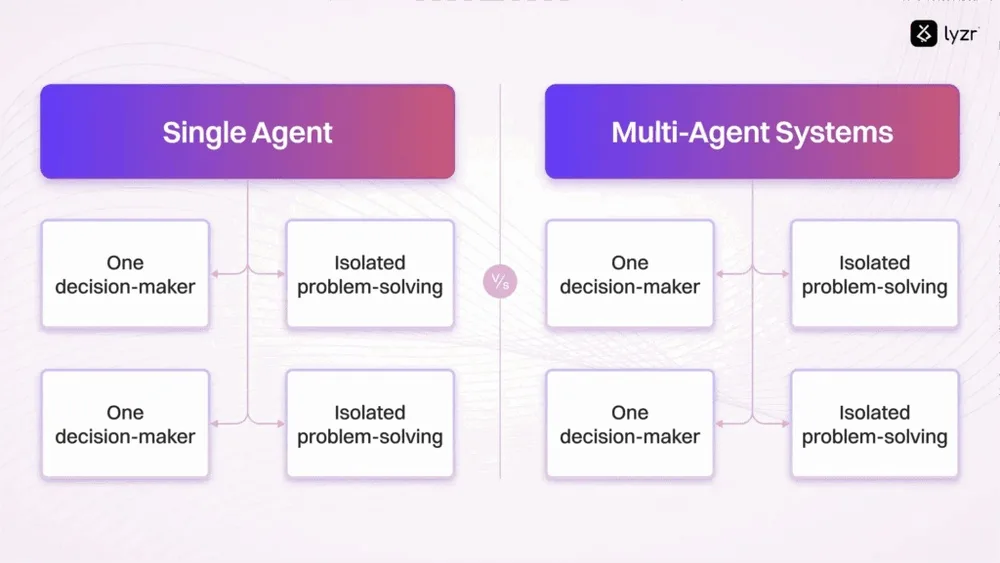
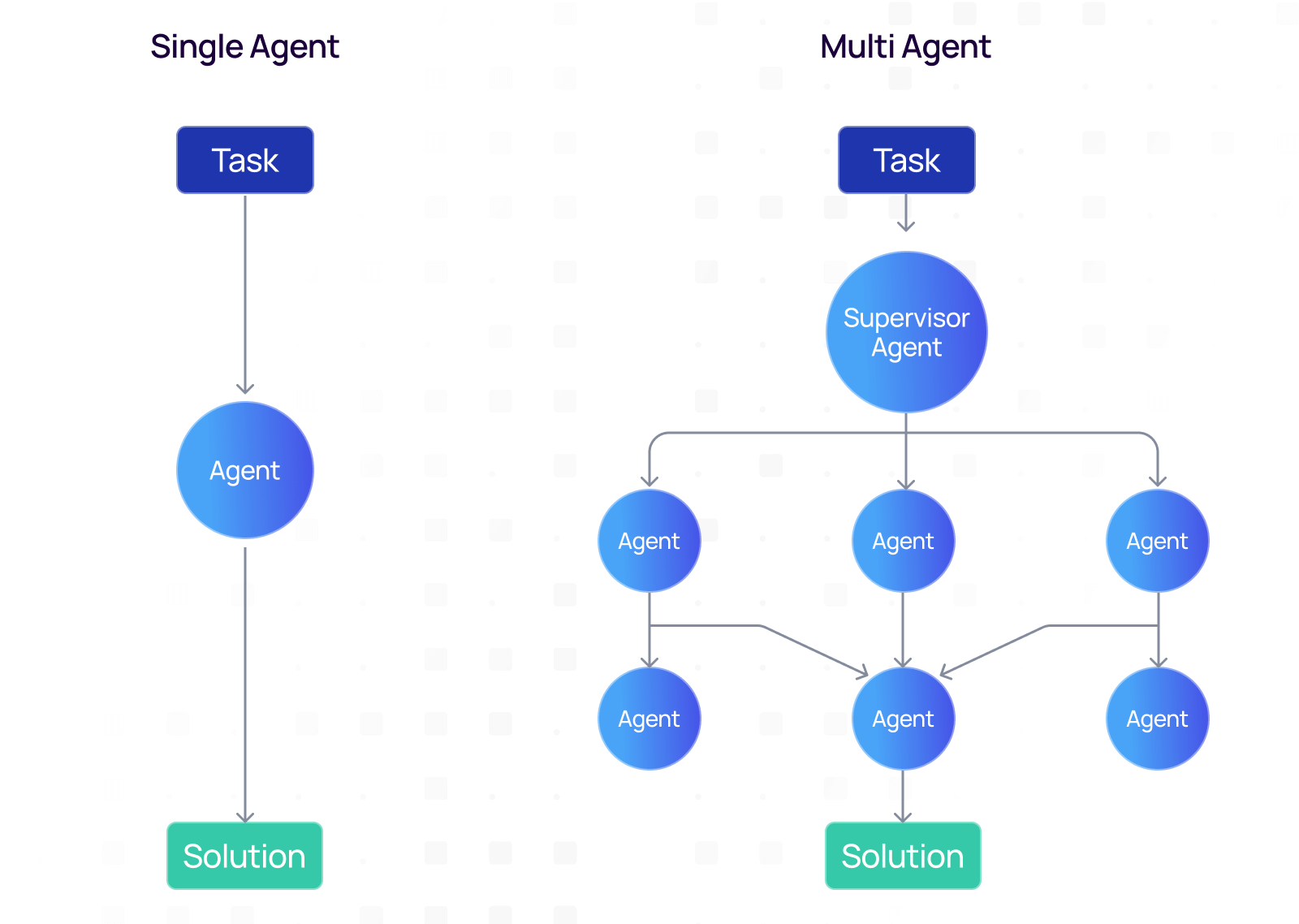
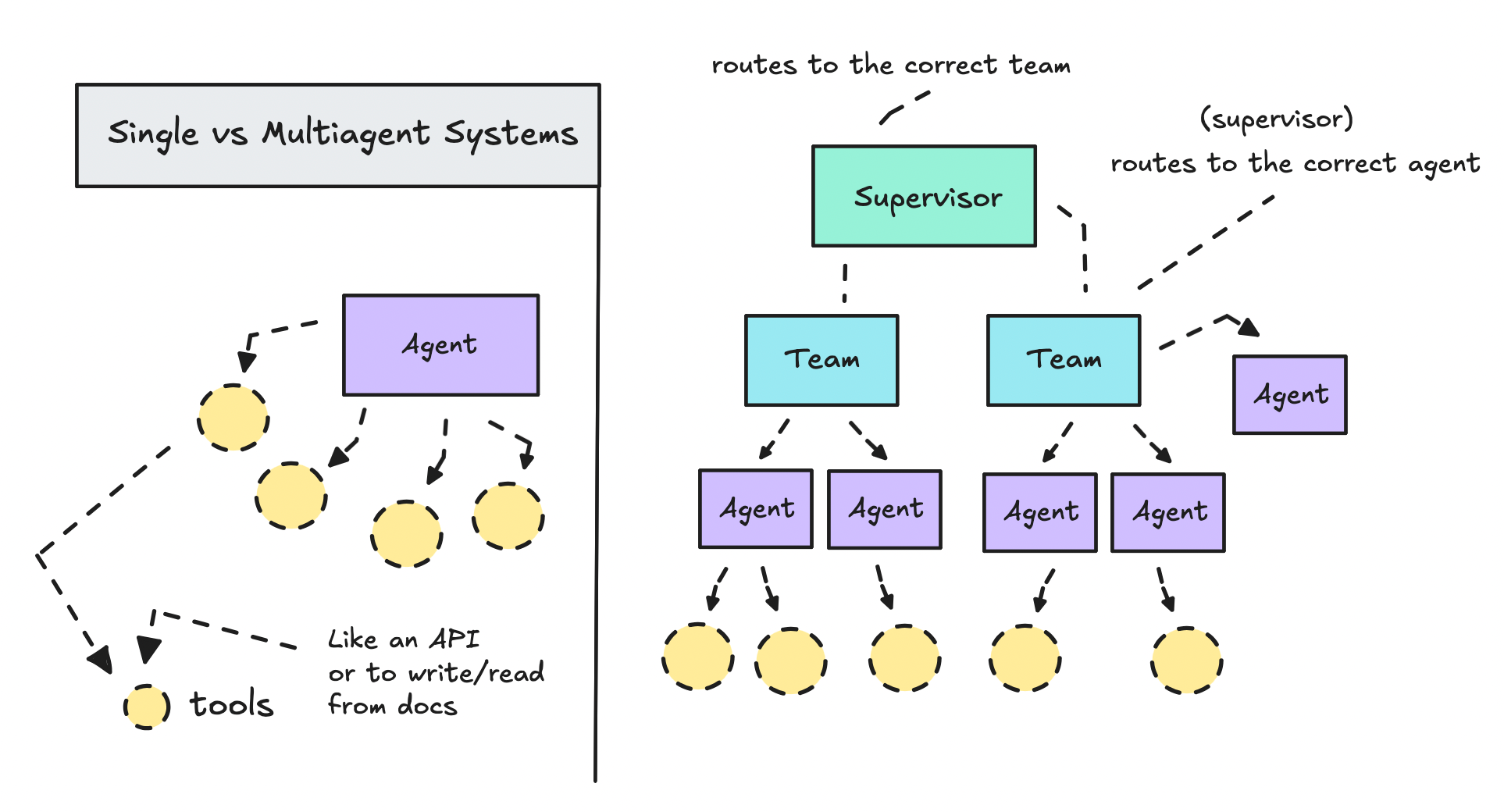
Single Agent Systems in AI involve just one agent working alone to solve problems. This agent acts independently and makes decisions based on its own data and environment. It does not communicate or cooperate with other agents. These systems are simpler and easier to design compared to multi-agent setups.
Single Agent Systems are common in many AI applications. They handle tasks that need clear, direct control without collaboration. Understanding these systems helps to see their strengths and limits in AI development.
Core Characteristics
A single agent acts alone in its environment. It senses the surroundings and takes actions to reach goals. The agent uses algorithms to decide what to do next. It learns from feedback or follows fixed rules. No other agents influence its behavior. The system focuses on one task or problem at a time.
Common Applications
Single Agent Systems appear in many fields. They are in robotics, where one robot completes tasks. They power personal assistants like voice-controlled devices. Games use single agents for opponent AI. They also help in navigation systems and simple decision-making tools. These applications need direct control without teamwork.
Advantages And Limitations
Single Agent Systems are easier to build and test. They need less computing power and resources. The design is straightforward with clear goals. Yet, they struggle with complex problems needing teamwork. They cannot share knowledge or divide tasks. Their performance drops if the environment changes fast. Single agents work best in stable, simple settings.
Credit: aisera.com
Multi Agent Systems
Multi Agent Systems (MAS) involve several intelligent agents working together. Each agent has its own tasks and goals. They communicate and cooperate to solve complex problems. MAS are useful in many AI applications where one agent alone is not enough.
This system mimics real-life teamwork. Agents share information and divide work. This leads to better decisions and faster results. MAS can handle tasks that are too big or difficult for single agents.
Key Features
Multiple agents operate independently but interact frequently. Each agent has knowledge and skills. Agents communicate using defined protocols or languages. They coordinate actions to avoid conflicts. Agents can learn from experience and adapt. The system is scalable, adding more agents as needed.
Use Cases In Ai
MAS are common in robotics for group tasks. They help in smart traffic control systems. Used in disaster management for quick response. Popular in online gaming for NPC cooperation. Applied in supply chain management for coordination. Useful in smart grids for energy distribution.
Benefits And Challenges
Benefits include improved problem solving and flexibility. MAS handle complex tasks better than single agents. They increase system robustness and fault tolerance. Challenges involve managing communication overhead. Conflicts between agents can arise and need resolution. Designing efficient coordination is often difficult.
Comparison Criteria
Choosing between single agent and multi agent AI depends on clear criteria. These criteria help understand which approach fits best for a task. They cover how each system grows, works together, handles problems, and performs.
Scalability
Scalability shows how well the AI system grows with more tasks. Single agent AI may struggle as tasks increase. Multi agent AI can add more agents to share the load. This makes multi agent systems better for large or growing problems.
Coordination And Communication
Coordination means how agents work together. Single agent AI has no need for coordination. Multi agent AI depends on clear communication between agents. Good communication avoids conflicts and improves teamwork. Poor coordination can slow down the whole system.
Complexity Handling
Complexity handling is about managing difficult problems. Single agent AI may fail with complex tasks needing many skills. Multi agent AI divides the problem into smaller parts. Each agent focuses on one part, making it easier to solve complex issues.
Performance Metrics
Performance metrics measure success and efficiency. Single agent AI uses metrics like speed and accuracy. Multi agent AI adds metrics for cooperation and resource use. These metrics show how well agents work alone and together.

Credit: medium.com
Choosing Between Single And Multi Agent
Choosing between single agent and multi agent systems in AI can shape project success. The right choice depends on many factors. These factors include the problem domain, available resources, and what results you want.
Problem Domain Considerations
Understand your problem before deciding. Single agents work well in simple or clear tasks. They handle straightforward environments with limited interaction. Multi agents fit complex problems with many parts. They interact, cooperate, or compete in shared spaces. Choose multi agents if tasks need teamwork or split roles.
Resource Constraints
Resources can limit your choice. Single agents need less computing power and memory. They are easier to build and test. Multi agent systems require more resources. They need space to communicate and coordinate. Consider your hardware, time, and budget before picking one.
Desired Outcomes
Think about what you want to achieve. Single agents aim for clear, focused goals. They excel in tasks needing consistent, predictable results. Multi agents often find solutions faster in dynamic settings. They can adapt and cover more ground. Choose based on whether you want stability or flexibility.
Future Trends In Agent-based Ai
Agent-based AI is evolving fast. New trends show how single and multi-agent systems will grow. These changes will shape AI’s future in many areas.
Better teamwork between agents, new tech links, and fresh uses will push AI forward. Understanding these trends helps us see what comes next.
Advances In Collaboration
Agents will work together more smoothly. Multi-agent systems will share tasks better and learn from each other. This teamwork improves problem-solving speed and accuracy. Single agents will also use collaboration tools to extend their reach.
Integration With Other Technologies
Agent-based AI will connect more with other tech like IoT and blockchain. These links create smarter systems that handle data well. Integration helps agents act in real time and adapt faster. This blend makes AI more useful across industries.
Evolving Use Cases
New needs create new roles for agents. From smart homes to healthcare, agents will take on more tasks. Businesses will use multi-agent systems to manage complex work. Single agents will focus on specific jobs needing quick decisions.
Credit: medium.com
Frequently Asked Questions
What Is A Single Agent In Ai Systems?
A single agent in AI refers to one autonomous entity making decisions. It interacts with its environment independently to achieve goals. This approach suits simple or controlled tasks where collaboration is unnecessary.
How Does Multi-agent Ai Differ From Single Agent?
Multi-agent AI involves multiple agents working together or competing. They share information and coordinate actions, improving problem-solving in complex environments. This system handles tasks requiring collaboration or distributed intelligence.
What Are Advantages Of Multi-agent Over Single Agent?
Multi-agent systems offer scalability, robustness, and flexibility. They handle complex problems by dividing tasks among agents. This leads to faster solutions and better adaptability than single-agent systems.
When Should Single Agent Ai Be Preferred?
Single agent AI fits tasks with limited scope and clear objectives. It’s simpler to design and compute, ideal for straightforward problems without need for cooperation.
Conclusion
Choosing between single agent and multi agent AI depends on your task needs. Single agents work well for simple, clear problems. Multi agents suit complex tasks needing teamwork and communication. Each has strengths and limits to consider. Understanding these helps you pick the best AI approach.
Think about your goals and resources first. This way, you make smarter decisions for AI use. Keep learning about AI to stay updated and effective.
0 Comments