
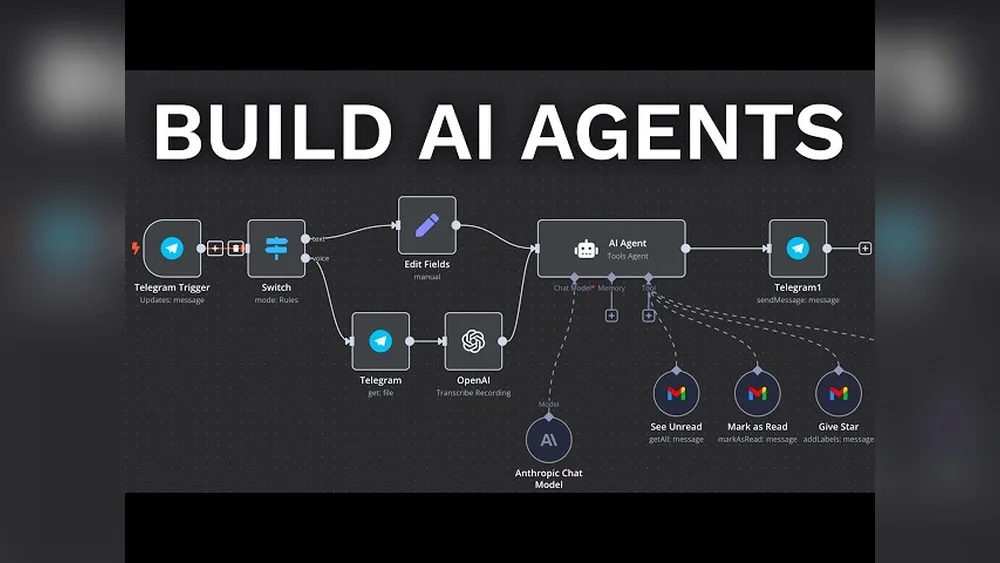
Have you ever wondered how to create an AI agent that can think, learn, and help you with tasks? Imagine having a smart assistant tailored just for you—one that understands your needs and works seamlessly in the background.
You’ll discover simple, clear steps to build your very own AI agent. No complicated jargon or tech overload—just straightforward guidance to turn your idea into reality. Keep reading, and by the end, you’ll have the tools to bring your AI agent to life.
Credit: delight.ai
Choosing The Right Ai Agent Type
Choosing the right AI agent type is a key step in building an effective AI system. The type you pick affects how your agent thinks and acts. Different tasks need different types of agents. Understanding their strengths helps you pick the best one for your project.
Reactive Agents
Reactive agents respond directly to their environment. They do not store past information. These agents act fast and use simple rules. Ideal for tasks needing quick reactions without memory. They work well in unpredictable environments with clear signals.
Deliberative Agents
Deliberative agents plan actions before acting. They use knowledge and past data to make decisions. These agents think about future steps and outcomes. Suitable for complex tasks needing careful thought. They take longer but offer smarter, goal-driven behavior.
Hybrid Agents
Hybrid agents combine reactive and deliberative features. They react quickly but also plan ahead. These agents balance speed and intelligence. Good for tasks needing fast action and thoughtful decisions. Hybrid agents adapt well to many different situations.
Setting Clear Objectives
Setting clear objectives is the first step in creating an AI agent. Clear objectives guide the design and function of your agent. They help you measure success and avoid confusion during development. Without clear goals, the AI may not perform as expected. This section explains how to define goals and establish constraints for your AI agent.
Defining Goals
Start by deciding what your AI agent should achieve. Goals must be specific and easy to understand. For example, an agent may answer customer questions or recommend products. Write down the main tasks your AI will perform. Clear goals keep the project focused and on track.
Think about the user’s needs. What problem should the AI solve? Make sure your goals align with these needs. Avoid broad or vague goals like “improve sales.” Instead, use clear targets like “respond to 90% of customer questions.”
Establishing Constraints
Constraints set limits on what the AI can do. They prevent the agent from acting outside its purpose. Constraints include time limits, data restrictions, and ethical rules. For example, the AI might only use certain data sources or work within specific hours.
Define technical limits too. These may involve hardware, software, or budget restrictions. Constraints help keep the AI safe and reliable. They also guide developers in choosing the right tools and methods.
Selecting Development Tools
Selecting the right tools is key to building an AI agent. The tools shape how you code, train, and test the agent. They also affect speed and ease of development. Choose tools that fit your skill level and project needs. Focus on programming languages, AI frameworks, and APIs or libraries. These elements form the core of your AI development process.
Programming Languages
Programming languages act as the base for AI agents. Python leads due to its simplicity and rich AI resources. JavaScript suits AI in web apps. Java and C++ offer speed for complex tasks. Pick a language with good community support. This helps solve issues quickly. Think about your project’s scale and platform before choosing.
Ai Frameworks
AI frameworks simplify building and training models. TensorFlow is popular for deep learning and flexibility. PyTorch offers easy experimentation with dynamic graphs. Keras is beginner-friendly with simple APIs. Scikit-learn is great for basic machine learning tasks. These frameworks save time and provide tested building blocks.
Apis And Libraries
APIs and libraries add powerful features without building from scratch. OpenAI API offers ready-made language models. Hugging Face hosts many pre-trained models. NumPy and Pandas help with data processing. Choose tools that fit your AI agent’s needs. They speed up development and improve performance.
Designing Agent Architecture
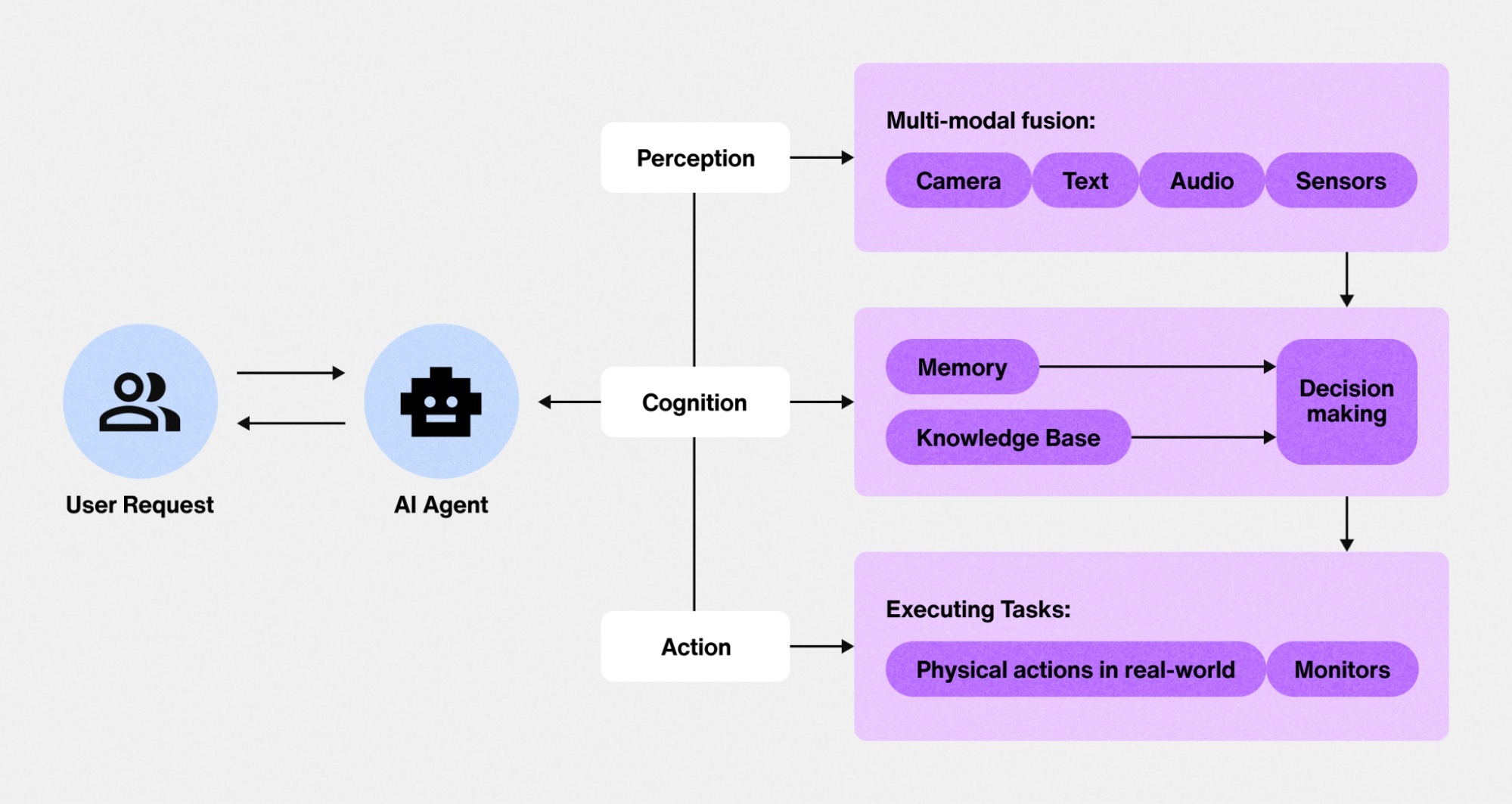
Designing the architecture of an AI agent is a key step in building a functional system. The architecture defines how the agent senses its environment, makes decisions, and acts. A clear structure helps the agent work smoothly and respond well to tasks.
The architecture usually divides into three main parts: perception, decision-making, and action. Each part plays a distinct role but works together to form the complete agent.
Perception Module
The perception module gathers data from the environment. It uses sensors or input tools to detect changes and collect information. This module processes raw data into a useful format. It helps the agent understand what is happening around it. Good perception makes the agent aware and ready to respond.
Decision-making Module
The decision-making module analyzes the data from perception. It chooses the best action based on rules or learned patterns. This part often uses algorithms or models to solve problems. It acts like the brain of the agent. Clear logic here ensures smart and timely decisions.
Action Module
The action module carries out the decisions made. It controls the tools or devices that perform tasks. This module sends commands to move, speak, or interact with the environment. Smooth action execution completes the agent’s cycle. It turns choices into real results.
Implementing Learning Mechanisms
Implementing learning mechanisms is key to building a smart AI agent. These mechanisms help the agent improve from data and experiences. Choosing the right learning method shapes how your AI understands and reacts to its environment.
Each learning type suits different tasks. Some require labeled data, while others learn from trial and error. Understanding these methods helps you design efficient AI agents that adapt well.
Supervised Learning
Supervised learning uses labeled data to train the AI. The agent learns by comparing its predictions to correct answers. Over time, it reduces errors and improves accuracy. This method works well for tasks like image recognition and language translation.
Reinforcement Learning
Reinforcement learning teaches the agent through rewards and penalties. The AI tries actions and learns which ones bring the best results. This approach suits dynamic environments, such as games or robots navigating space. The agent gets better by exploring and receiving feedback.
Unsupervised Learning
Unsupervised learning finds patterns in data without labels. The AI groups or organizes information on its own. This method helps with clustering, anomaly detection, and data compression. It’s useful when labeled data is unavailable or expensive to get.
Training The Ai Agent
Training the AI agent is a key step in building smart systems. This phase helps the agent learn tasks and make decisions. Good training improves the agent’s accuracy and usefulness. The process has three main parts: data collection, model training, and performance evaluation. Each part builds on the last to create a strong AI agent.
Data Collection
Data collection is the first step in training the AI agent. Collect large amounts of relevant data for the task. The data must be clean and well-organized. Use various sources to get diverse examples. This variety helps the agent learn better. Label the data clearly to guide the learning process. Quality data leads to better results.
Model Training
Model training is where the agent learns from data. Feed the collected data into the AI model. The model adjusts itself to find patterns. Use algorithms suited for the task type. Training takes time and computing power. Monitor the process to avoid overfitting or underfitting. Good training helps the agent understand tasks well.
Performance Evaluation
Performance evaluation checks how well the AI agent learned. Test the agent with new, unseen data. Measure accuracy, speed, and reliability. Use metrics like precision, recall, or error rate. Identify any weaknesses or errors. Use this feedback to improve the model. Regular evaluation keeps the agent effective and reliable.
Testing And Debugging
Testing and debugging are key steps in building an AI agent. They help find errors and improve performance. Without proper testing, the agent may not work well in real situations.
Testing allows you to see how the AI behaves. Debugging fixes problems found during tests. Both steps save time and effort later.
Simulated Environments
Simulated environments mimic real-world conditions. They let you test the AI safely and cheaply. You can try many scenarios quickly. This helps catch bugs before real use.
Simulations show how the AI reacts to changes. You can adjust settings and see results fast. This step builds confidence in the AI’s skills.
Real-world Testing
Real-world testing checks the AI in actual conditions. It reveals issues not seen in simulations. Real tests measure true performance and reliability.
Use real data and environments for this phase. Observe the AI’s decisions and actions closely. Fix errors and improve based on real feedback.
Deploying The Ai Agent
Deploying an AI agent is a crucial step after building and training it. This process puts your AI into action, letting it perform real tasks. Proper deployment ensures your AI works smoothly and adds value. It also helps handle errors and improves over time. The deployment phase requires careful planning and continuous attention.
Integration With Systems
Connecting the AI agent with existing systems is key. The AI must communicate well with software and databases. Use APIs or webhooks to enable data exchange. Ensure the AI fits into workflows without disruption. Test integration thoroughly to avoid errors or delays. Clear data flow helps the AI make accurate decisions. This step bridges the AI with your daily operations.
Monitoring And Maintenance
After deployment, keep a close eye on the AI's performance. Track its outputs and check for mistakes. Regular updates improve accuracy and fix bugs. Set alerts for unusual behavior or failures. Maintenance keeps the AI aligned with changing needs. Logging helps understand issues and user interactions. Constant care ensures the AI stays useful and reliable.
Ethical Considerations
Creating an AI agent involves more than coding and data. Ethical considerations shape how the agent behaves and affects people. These factors ensure the AI is safe, fair, and trustworthy. Ignoring ethics can cause harm or unfairness.
Bias Mitigation
AI agents learn from data. If the data has bias, the AI will too. Bias can cause unfair treatment of groups or individuals. To reduce bias, use diverse and balanced datasets. Test the AI regularly for biased outcomes. Fix any bias found before launching the agent.
Privacy Concerns
AI agents often handle personal data. Protecting this data is crucial. Use strong encryption and limit data access. Collect only the necessary information. Inform users about data use clearly. Respect user privacy at every step.
Transparency
Users should understand how the AI works. Explain the agent’s purpose and decisions simply. Share information about data sources and algorithms. Being open builds user trust and confidence. Transparency helps users feel safe using the AI.

Credit: markovate.com

Credit: www.youtube.com
Frequently Asked Questions
What Is An Ai Agent And How Does It Work?
An AI agent is a software entity that perceives its environment and takes actions. It uses data and algorithms to make decisions and achieve goals autonomously.
What Programming Languages Are Best For Ai Agent Creation?
Python is the most popular language for AI agents due to its libraries. Other options include Java, C++, and R depending on project needs.
How Do I Train An Ai Agent Effectively?
Training involves feeding data, defining goals, and using machine learning models. Consistent testing and refining improve accuracy and decision-making over time.
What Tools Help In Building Ai Agents Quickly?
Popular tools include TensorFlow, PyTorch, and OpenAI's Gym. These frameworks simplify model building, training, and deployment for AI agents.
Conclusion
Creating an AI agent takes time and careful steps. Start with a clear goal for your agent. Choose the right tools and data to train it well. Test your agent often to fix any problems. Keep learning and improving your AI over time.
This process helps build smart, useful agents. Anyone can make an AI agent by following these tips. Practice and patience lead to better results. Now, you have a simple guide to begin your AI journey.
0 Comments