
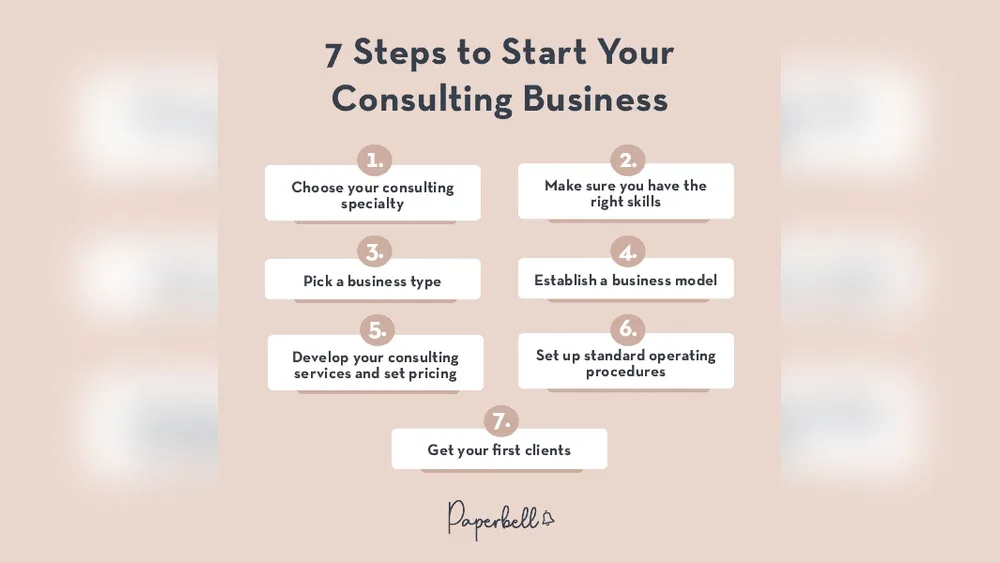
Are you ready to turn your expertise into a thriving consulting business? Starting your own consulting firm can open doors to freedom, flexible income, and the chance to make a real impact.
But knowing where to begin can feel overwhelming. What if you had a clear, simple roadmap to guide you every step of the way? You’ll discover exactly how to launch your consulting business with confidence and avoid common pitfalls. Keep reading to unlock practical tips that will set you up for success from day one.
Choosing Your Niche
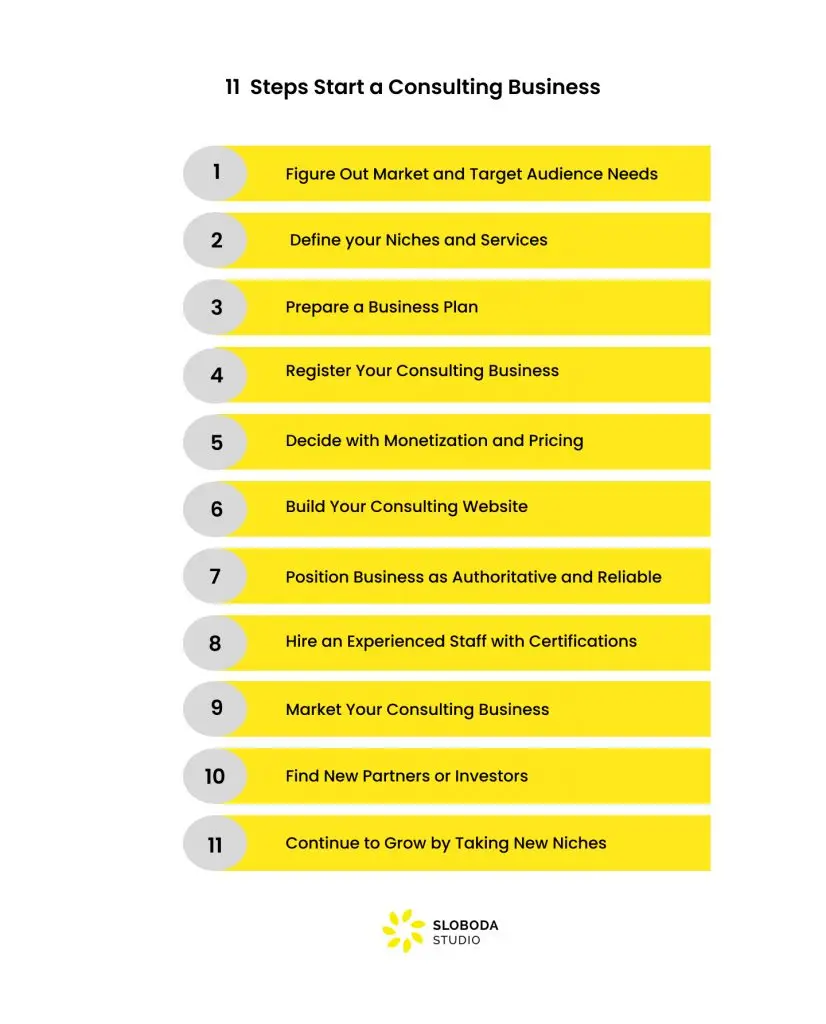
Choosing your niche is a key step in starting a consulting business. It helps you focus on a specific area and serve clients better. A clear niche makes marketing easier and attracts the right customers. It also sets you apart from many general consultants.
Identifying Market Demand
Find out what services people need most. Look for problems businesses face that you can solve. Use online tools, surveys, or industry reports to see trends. Choose a niche with steady or growing demand. Avoid areas that are too crowded or shrinking.
Leveraging Your Expertise
Think about your skills and experience. Choose a niche where you have strong knowledge. Clients trust consultants who know their field well. Use your background to offer unique advice. This builds credibility and confidence with clients.
Analyzing Competitors
Check who else works in your chosen niche. Study their strengths and weaknesses. Look for gaps you can fill or services you can improve. Learn from their marketing and client approach. This helps you find your own place in the market.
Credit: sloboda-studio.com
Setting Up Your Business
Setting up your consulting business is a crucial step. It shapes how your business runs and grows. Clear decisions now save time and money later. Focus on legal structure, registration, and licenses. These steps make your business official and legal.
Legal Structure Options
Choose a legal structure that fits your business needs. Common types include sole proprietorship, partnership, LLC, and corporation. A sole proprietorship is simple but offers no personal liability protection. Partnerships share profits and responsibilities between owners. LLCs protect personal assets and offer tax benefits. Corporations are complex but good for bigger businesses. Consider costs, taxes, and liability when deciding.
Registering Your Business
Register your business name with local or state authorities. This step makes your business legal. It helps protect your business name from others. You may need to register for taxes. Get an Employer Identification Number (EIN) from the IRS. This number is like a social security number for your business. Registration can be done online or in person. Keep records of all registration documents.
Essential Licenses And Permits
Check local laws for required licenses and permits. Some consulting fields need special licenses. These can include professional licenses or business operation permits. Failing to get proper permits can lead to fines. Apply early to avoid delays. Keep all licenses up to date. This ensures your business runs smoothly and legally.
Crafting A Business Plan
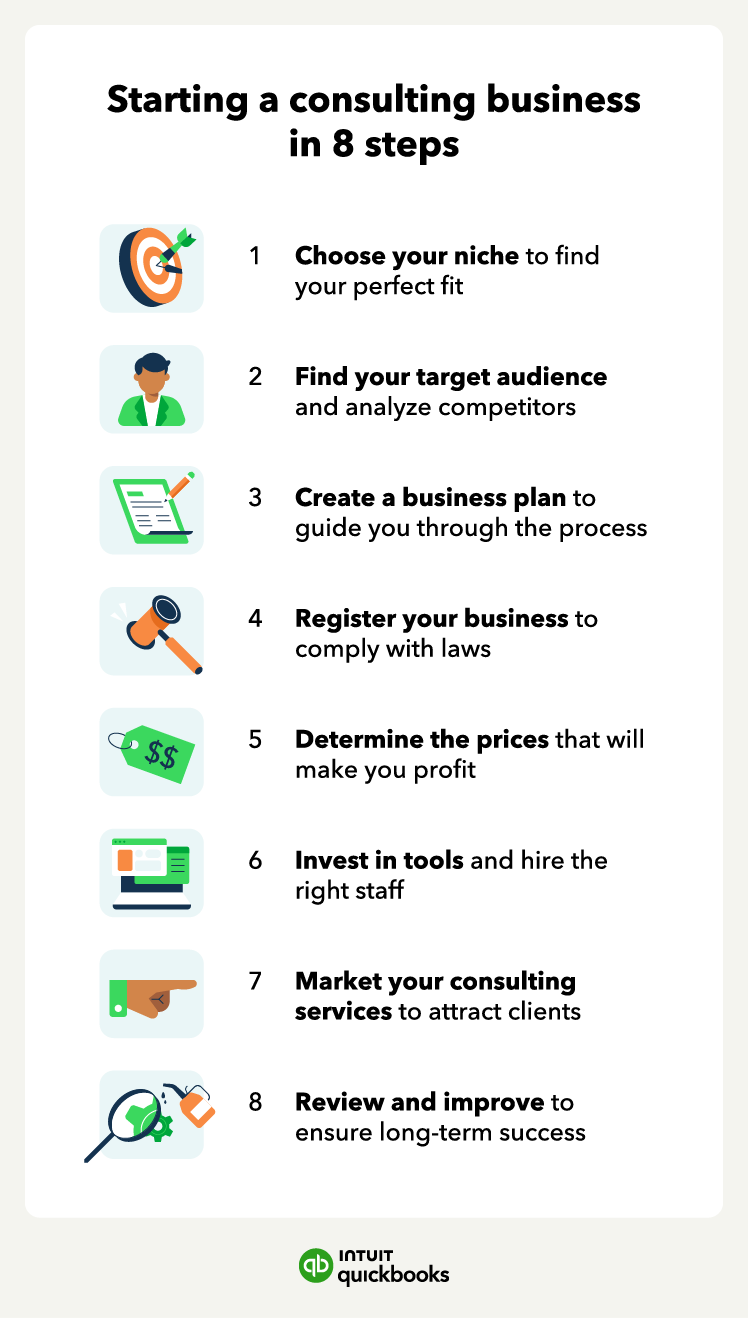
Crafting a business plan is a key step in starting a consulting business. This plan guides your actions and helps you stay focused. It shows what services you will offer, who your clients are, and how you will price your work. A clear plan helps you avoid mistakes and manage your business well.
Defining Services Offered
Decide what consulting services you will provide. Think about your skills and experience. Choose services that solve real problems for clients. Be clear and specific. For example, offer marketing advice or IT support. List each service so clients understand what you do.
Target Client Profiles
Identify who your ideal clients are. Consider their industry, size, and needs. Know their challenges and goals. This helps you focus your marketing. Write down details like age, job title, and location. Understanding clients makes your services more useful to them.
Pricing Strategies
Set prices that reflect your value and market rates. Research what other consultants charge. Choose between hourly rates, project fees, or retainers. Keep prices fair and competitive. Think about your costs and desired income. Good pricing attracts clients and keeps your business healthy.
Credit: quickbooks.intuit.com
Building Your Brand
Building your brand sets the foundation for your consulting business. It helps clients know who you are and why they should choose you. A strong brand shows your expertise and builds trust. Focus on clear, simple messages. Create visuals and an online presence that match your style and values.
Creating A Unique Value Proposition
Your unique value proposition tells clients what makes you different. It explains how you solve their problems better than others. Use simple words. Highlight your skills and the results clients can expect. Keep it short and clear. Make sure it answers why clients should pick you over competitors.
Designing A Professional Logo
A logo gives your business a face. It helps people remember you. Choose colors and shapes that match your brand personality. Keep the design simple and clean. Avoid too many details. Use a logo that looks good on all devices and materials. A professional logo builds confidence in your services.
Developing An Online Presence
Your online presence connects you with clients everywhere. Start with a simple website that shows your services and contact details. Use easy navigation and clear text. Add a blog or articles to share your knowledge. Create social media profiles to engage with your audience. Regular updates keep your brand active and visible.
Marketing Your Services
Marketing your consulting services is key to gaining clients and building trust. It helps you show your skills and value clearly. Effective marketing brings the right people to your business. Focus on simple ways to reach potential clients and stay connected with them.
Networking Techniques
Meet people who need your services. Attend local business events and join groups related to your field. Talk about your skills and listen to others’ needs. Exchange contact details and follow up with a short message. Personal connections often lead to new clients.
Utilizing Social Media
Create profiles on popular platforms like LinkedIn and Facebook. Share useful tips and success stories regularly. Join groups where your target clients spend time. Respond quickly to comments and messages. Social media helps you build a professional image and stay visible.
Content Marketing Tips
Write clear articles and guides that solve common problems. Use simple language and short paragraphs. Post these on your website or blog. Share your content on social media to reach more people. Good content builds trust and shows your expertise over time.
Managing Client Relationships
Managing client relationships is key to a consulting business's success. Strong relationships lead to trust and repeat work. Clients feel valued when communication is clear and respectful.
Good client management also helps avoid misunderstandings. It creates a smooth project flow and better results. Every consultant should focus on building and keeping strong connections.
Effective Communication Skills
Clear communication prevents confusion and mistakes. Listen carefully to your client’s needs and goals. Speak in simple language. Avoid jargon and complex terms.
Respond quickly to emails and calls. Keep clients updated on progress regularly. Use positive and respectful tone at all times. This builds confidence and trust.
Setting Clear Expectations
Explain your services and what clients can expect. Define timelines, costs, and deliverables upfront. Write everything down in a contract or agreement.
Make sure clients understand your process and limits. Clarify what you can and cannot do. Avoid surprises by being honest and clear from the start.
Handling Feedback And Revisions
Encourage clients to share their thoughts openly. Listen to feedback without getting defensive. Use it to improve your work and service.
Set a clear process for revisions and changes. Agree on how many rounds of revisions are included. Stay patient and professional during changes.
Scaling Your Consulting Business
Scaling your consulting business means growing it beyond just yourself. It requires planning and smart choices. Growth helps you reach more clients and increase income. Focus on key areas to expand efficiently without losing quality.
Hiring And Outsourcing
Hiring the right people helps your business serve more clients. Look for skilled professionals who share your vision. Outsourcing tasks like accounting or marketing saves time. This lets you focus on consulting and client needs. Start small and add team members as demand grows.
Expanding Service Offerings
Add new services that match your current skills and client needs. Research what clients want and test new ideas. Offering more services attracts different types of clients. It also increases revenue from existing customers. Keep services clear and simple to avoid confusion.
Automating Business Processes
Use software to automate routine tasks like scheduling and billing. Automation reduces errors and saves time. Choose tools that are easy to use and fit your business size. Automation lets you focus more on helping clients and less on paperwork.
.webp)
Credit: blog.hubspot.com
Frequently Asked Questions
What Are The First Steps To Start A Consulting Business?
Begin by identifying your niche and target market. Develop a solid business plan and legal structure. Register your business and create branding materials. Finally, set up a website and start networking to attract clients.
How Do I Choose A Profitable Consulting Niche?
Focus on your expertise and market demand. Research industries with growth potential and low competition. Analyze client pain points and tailor your services to solve their problems effectively.
What Legal Requirements Are Needed For Consulting Businesses?
Register your business with local authorities and obtain necessary licenses. Consider forming an LLC for liability protection. Also, set up contracts and agreements to safeguard your services.
How Can I Price My Consulting Services Effectively?
Research competitor rates and industry standards. Consider your experience, expertise, and value offered. Use hourly, project-based, or retainer pricing to suit client needs and ensure profitability.
Conclusion
Starting a consulting business takes clear steps and steady effort. Plan your services and know your market well. Build strong relationships with clients and keep learning. Stay organized and manage your time wisely. Focus on solving real problems for your clients.
Success grows from patience and consistent work. Keep your goals simple and your approach honest. The journey may have challenges, but it is rewarding. Take each step with confidence and care. Your consulting business can thrive with the right mindset.
0 Comments